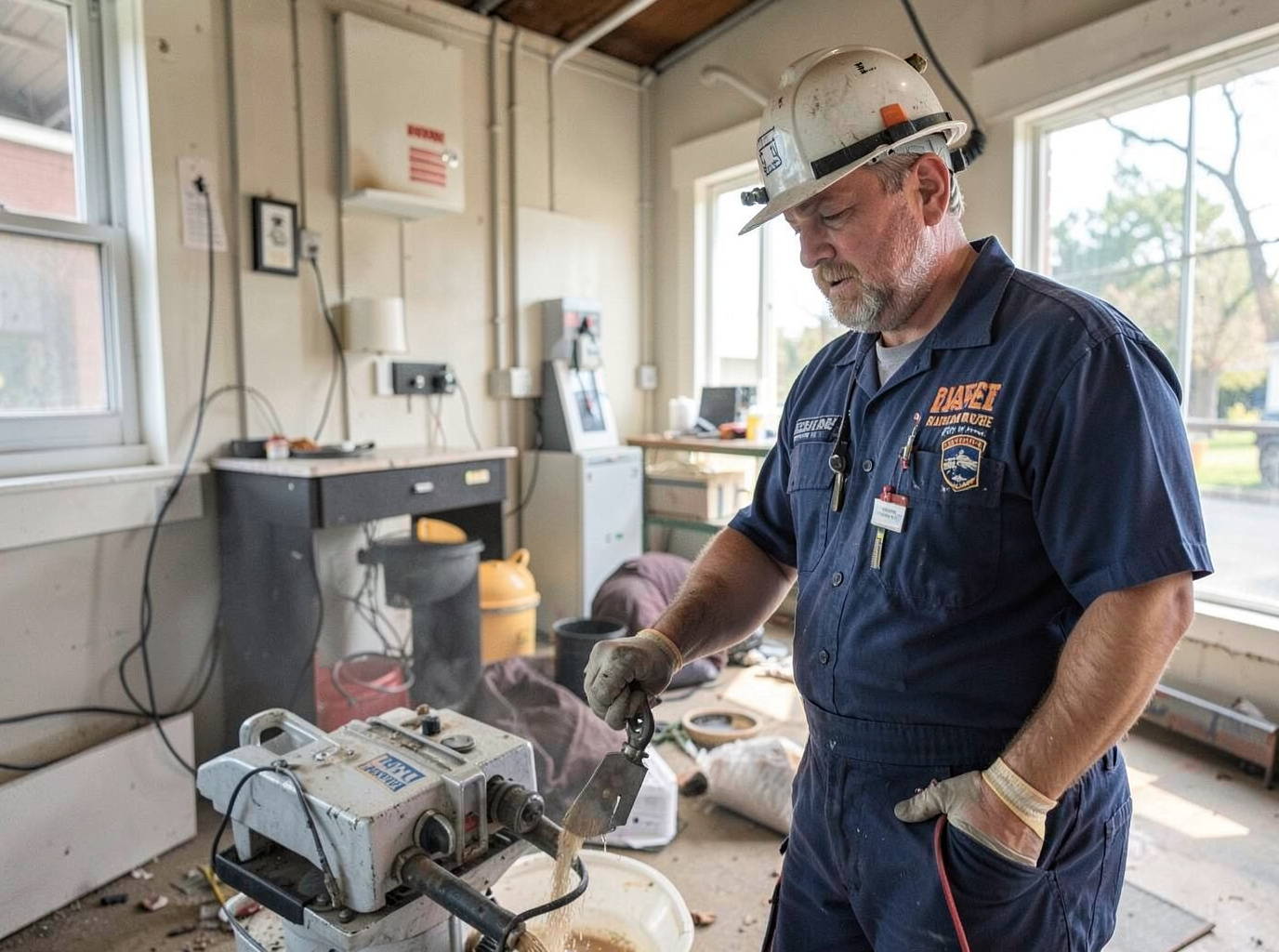
St. Francisville homes sit on bluffs above the Mississippi with many built before 1900 on pier-and-beam foundations. When heavy rains or river backflow push water under those floors, crews from 3256 Riverbrook Ct reach the area via US 61 in under an hour to extract water before it reaches the original heart-pine boards.
The same humid subtropical pattern that keeps summers muggy also drives sudden downpours that overwhelm the town’s older storm drains along Commerce Street and Ferdinand Street. Restoration teams focus on pulling moisture from crawl spaces and wall cavities in these tight-lot historic properties before mold sets in the enclosed spaces typical of St. Francisville construction.
Because many structures are listed on the National Register, drying plans avoid aggressive demolition. Instead, technicians use targeted air movers and moisture meters to preserve original plaster and cypress trim while still meeting insurance documentation requirements.
Around 39. St. Francisville
We regularly work near:
- 📍Rosedown Plantation State Historic Site
- 📍The Myrtles Plantation
- 📍Audubon State Historic Site
- 📍Grace Episcopal Church
- 📍St. Francisville Historic District
- 📍Commerce Street
Water Damage Restoration in 39. St. Francisville — Local Notes
- •Pier-and-beam foundations on many pre-1920 homes allow water to pool under floors after river-stage events, requiring long-reach extraction tools.
- •Narrow lots along Royal Street and the historic district limit equipment access, so smaller portable units are staged from the 3256 Riverbrook Ct truck.
- •Clay soils along the bluff edges hold moisture longer than the sandy loams closer to the river, extending drying times by several days.
- •Sudden summer thunderstorms funnel water down the steep grades near Audubon State Historic Site, pushing runoff into basements and cellars not built for modern drainage.