2026-11-10 · Marcus Guidry
Preparing Older Baton Rouge Homes for Hurricane Season Flooding
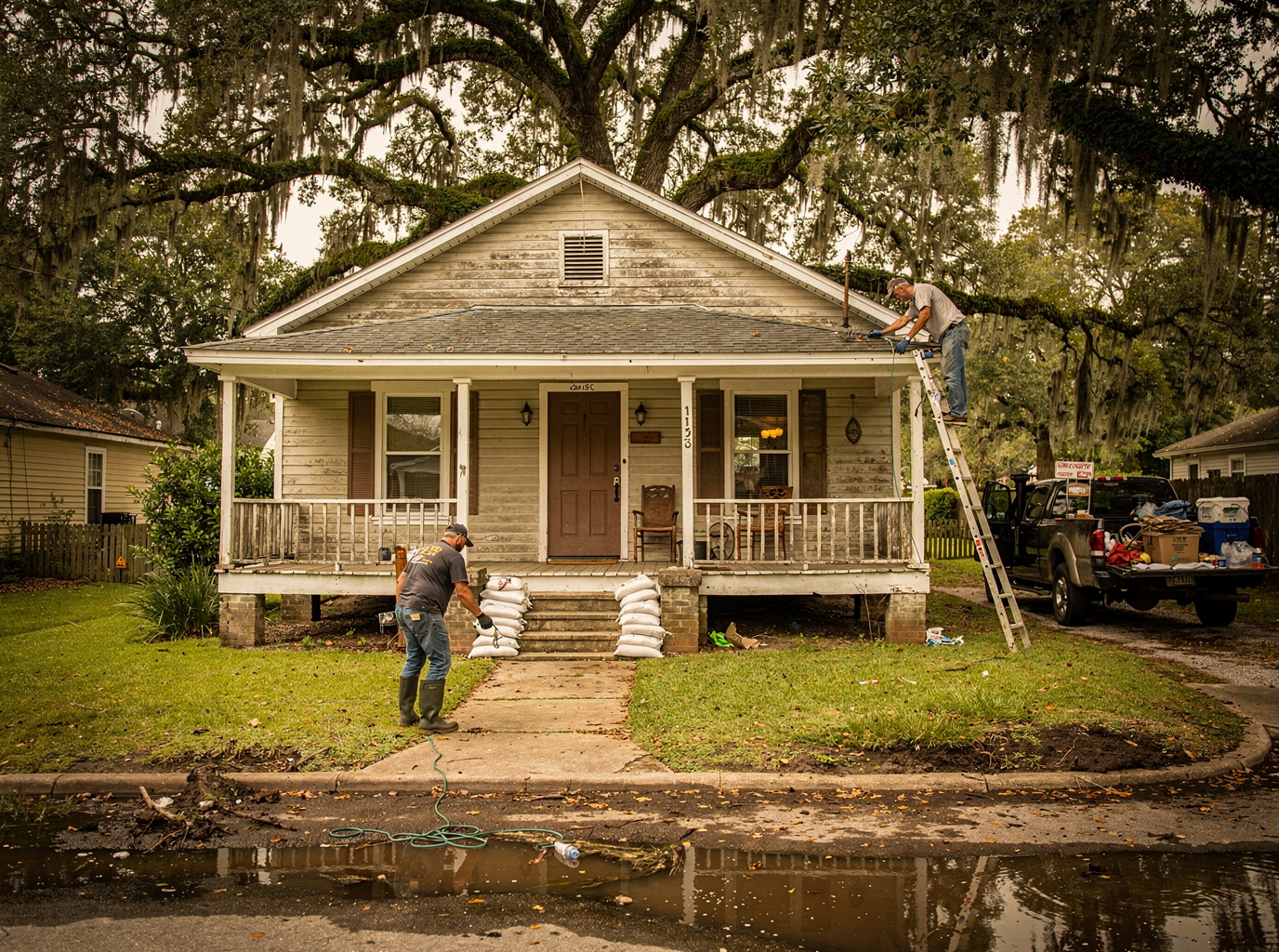
Older Baton Rouge homes in neighborhoods such as Mid City, Garden District and Spanish Town require targeted preparation before hurricane season because their original foundations, plumbing and elevation often predate modern flood codes in East Baton Rouge Parish.
Evaluating Foundation and Crawlspace Risks
Many homes built before 1970 in Spanish Town and the Garden District sit on pier-and-beam foundations that sit close to grade. Heavy rains combined with the area's mild winters allow moisture to linger, softening soil and increasing hydrostatic pressure against brick piers. Walk the perimeter after any storm and check for new cracks wider than 1/8 inch or doors that begin to stick. In the humid subtropical climate, condensation in crawlspaces can mask slow leaks that only become obvious once river levels rise near the Baton Rouge River Center. Document every finding with dated photos so restoration crews have clear baseline information if water eventually enters.
Protecting Plumbing and Electrical Systems
Original galvanized lines in Mid City and Old South homes often corrode from decades of standing water during past events. Shut off the main valve and install a quarter-turn ball valve at the street if one is not already present. Raise electric panels and outlets serving the first floor to at least 18 inches above the finished floor in flood-prone blocks near Louisiana State University. These small elevations prevent short circuits that commonly occur when water reaches Downtown streets during slow-moving storms. Homeowners who complete this work before June reduce the chance of needing emergency water damage restoration after a named storm.
Managing Roof and Gutter Drainage
Hurricane season brings repeated downpours that older slate and asphalt roofs in the Garden District were never designed to handle. Clean gutters monthly from March through October and add 2x4-inch extensions that direct water at least 6 feet from the foundation. In Spanish Town, where lots are narrow, this single change often prevents water from pooling against shared walls. Check flashing around chimneys and valleys for gaps larger than 1/4 inch; reseal with polyurethane caulk rated for 20-year exposure rather than standard silicone that fails faster in Baton Rouge heat.
Planning for Post-Storm Water Damage Repair
Even well-prepared homes can take on water when the Mississippi backs up into East Baton Rouge Parish drainage canals. Keep a written list of shut-off locations and a battery-powered sump pump with 20 feet of discharge hose stored on the second floor. After any event, contact a local crew familiar with Water Damage Restoration in neighborhoods like Old South so extraction begins before mold sets in the humid air. Review the related guide on hidden water damage after Baton Rouge summer storms to understand what inspectors look for behind baseboards and under flooring.
Coordinating with Neighbors and Local Resources
Residents in adjacent blocks of Mid City often share alley drainage that clogs with leaves and sediment. Form a small group text list before June so one person can alert the parish drainage department when inlets on Government Street begin to back up. Keep copies of elevation certificates for homes in the 100-year floodplain; these documents speed insurance claims and help restoration teams prioritize Water Damage Repair on the oldest structures first. The same preparation that protects a 1920s bungalow also reduces downtime for nearby properties when pumps are limited after a hurricane.